
Why is removing pharmaceuticals from Hospital Wastewater a key sustainability challenge?
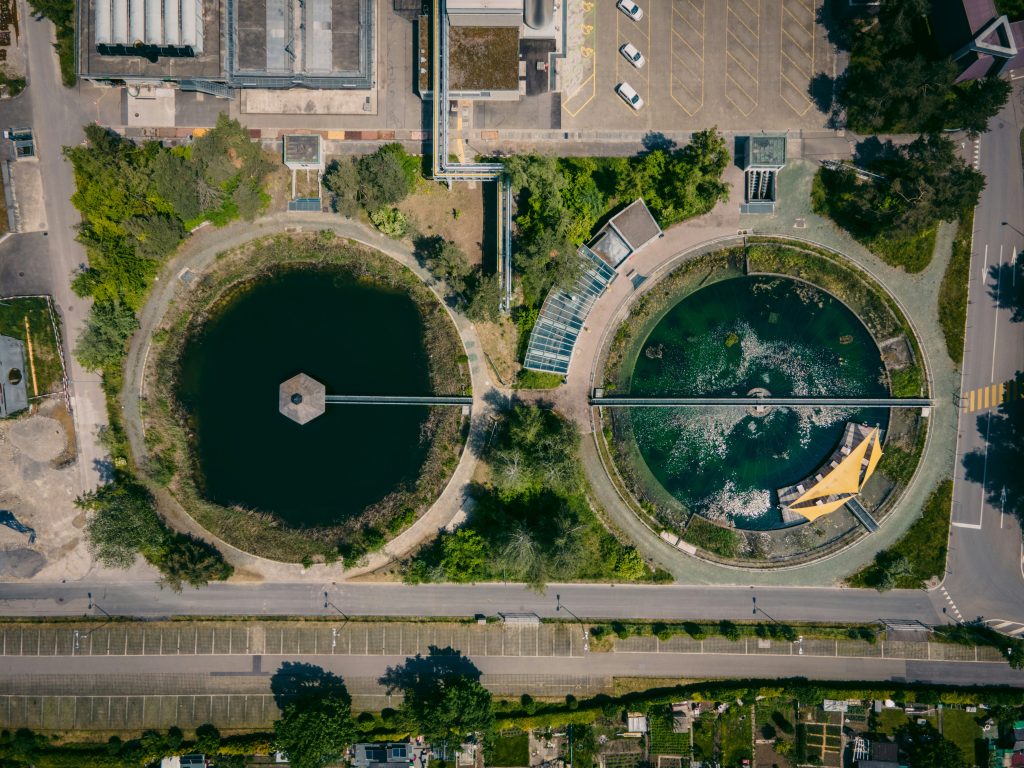
Hospitals are trusted institutions of care, but they also generate wastewater containing a complex mixture of pharmaceutical residues, disinfectants, diagnostic agents, pathogens, and antimicrobial-resistant microorganisms. Among these contaminants, pharmaceuticals are increasingly recognized as a significant environmental concern because of their persistence, biological activity, and the challenges associated with their removal. And yet, across most of […]
Misuse of antibiotics at home and its impact on AMR
Invented in 1928 by Alexander Fleming, antibiotics have been saving countless lives, turning deadly infections into treatable conditions. Antibiotics opened the possibility for surgeons to perform major surgery, for cancer patients to undergo heavy chemotherapy and for transplant patients to take drugs that suppress the immune system. All these therapies would be dangerous if we […]
Engaging with the Market: What the OMC Means for THERESA PCP
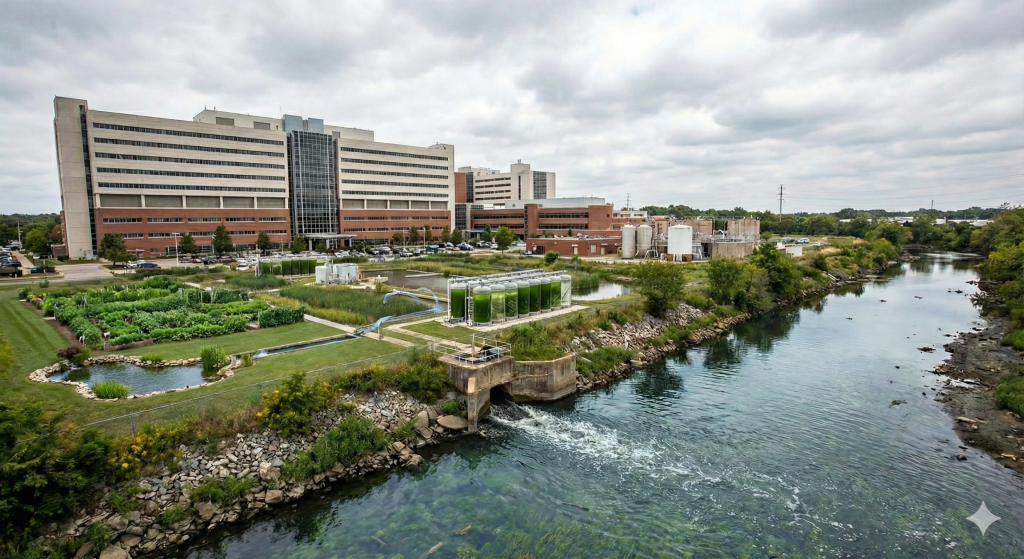
What to expect from an Open Market Consultation (OMC) An Open Market Consultation (OMC) is a structured public dialogue that may be carried out during the preparatory phase of an innovation procurement project between the public procurer and economic operators. Its purpose is to gather expert input on market capabilities, technological maturity, and potential solutions […]
Hospital Wastewater: A Hidden Threat
The THERESA PCP project’s main objective is the development of a “green” and innovative solution to treat Hospital Wastewater (HWW). Every day, hospitals use medicines and treatments that save lives — but they also leave behind something less visible: wastewater filled with pharmaceutical residues, pathogens, and other harmful substances. Current city wastewater plants cannot fully […]
A European Project to Clean Hospital Wastewater

Every day, hospitals use medicines and treatments that save lives — but they also leave behind something less visible: wastewater filled with pharmaceutical residues, pathogens, and other harmful substances. Current city wastewater plants cannot fully remove these contaminants, which means they can end up in rivers, soils, and even drinking water. This is not only […]